Where to See Orcas in Norway
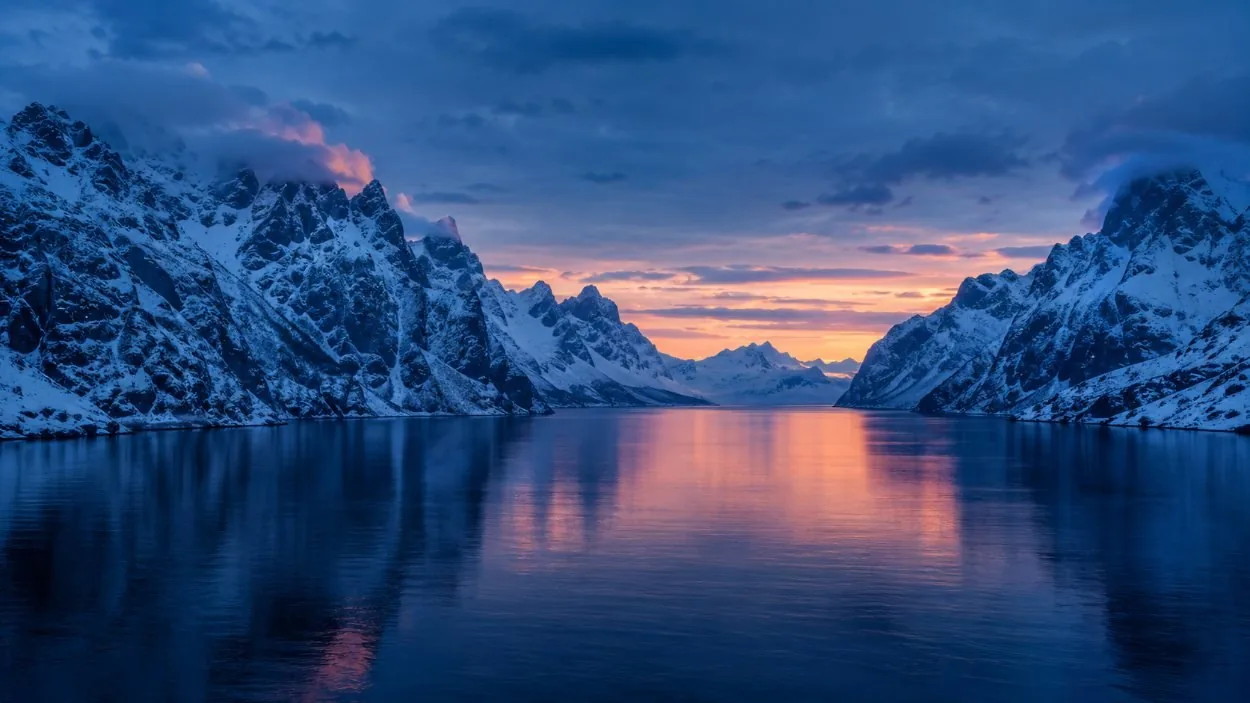
The whales are not in Tromsø
This is the single most useful thing to understand before you book anything. Nobody sells a one-hour orca cruise from the city centre, because there is nothing to see from the city centre. Every product out of Tromsø is either a seven- to nine-hour boat day sailing out of the harbour and back, or a twelve-hour day with about four hours on a bus in each direction to Skjervøy and a shorter, better boat trip at the end of it. The trip is a commute with a gamble at the far end of it.
Skjervøy
Skjervøy is a coastal island community north-east of Tromsø, reached by road. It has become the centre of the action for one reason: the herring winter within reach of small boats leaving its harbour, which means a RIB can be among the whales twenty minutes after casting off instead of three hours after. The sea time at the far end of those tours runs roughly 2.5 to 3.5 hours, which sounds short until you have done it in an open boat in January. The road itself is on getting to Skjervøy.
Kvænangen
The neighbouring fjord system, and part of the same winter picture. Boats work whichever of the two is holding fish on the day. This is also why nobody can promise you a location: the skipper is following a shoal, not a timetable.
Where they used to be, and why it matters to you
Guidebooks and older blog posts still send people to Lofoten and Vestfjorden for winter orcas, because through the 2000s that is exactly where they were. The herring changed their wintering ground and the whales went with them. If your research is more than a few years old, it is describing a real thing that has moved. Nothing about this is permanent either — the fish could shift again, and the tours would follow.
Satellite tracking of 29 male orcas recorded individual journeys of between 302 and 7,608 kilometres following herring. That is the scale of animal you are trying to intercept on a Tuesday. It is worth keeping in mind when a listing does not promise you anything.
The two ways to reach them
| Tromsø: Whale Watching Tour by Hybrid-Electric Boat | Closest to the whalesTromsø: Skjervøy RIB Whale Watching Tour | Tromsø: Orca and Whale Watching Heated Boat Trip | |
|---|---|---|---|
| The day | 7–9 hours, all of it on the water | 12 hours: 4 on a bus, about 3 at sea, 4 back | 12 hours: 4 on a bus, 3–3.5 cruising, 4 back |
| Leaves from | Tromsø harbour | Outside the Scandic Ishavshotell, 04:45 boarding | Prostneset bus terminal, red bus |
| Boat | Hybrid-electric catamaran, 100+ guests | 34-foot open RIB | Covered, heated premium boat |
| Fjord it works | Wherever the whales are that day | Skjervøy and Kvænangen | Skjervøy and Kvænangen |
| Rating at the time of writing | 4.5 from 6,653 reviews | 4.8 from 1,281 reviews | 4.7 from 261 reviews, the smallest sample of the six |
| View → | Book this → | View → |
Those three products that travel to Skjervøy are grouped on the Skjervøy page; the three that sail from Tromsø harbour are on big boat tours. Which suits you is a question about your tolerance for buses and cold, not about which one sees more whales, and that argument is on RIB versus big boat.
Other parts of Norway
Orcas are seen along the Norwegian coast through the year, and Norwegian waters hold a great many of them — the numbers are on how many orcas there are in Norway. What makes the north different in winter is concentration. A dispersed population over a long coastline is not something you can build a day trip around. A herring ball in a named fjord is.
Going to where they are
If the point of the trip is to be in the fjord the whales are actually in, this is the one. Twelve hours, four of them on a bus each way, about three in an open RIB, and the highest rating on this site at 4.8 from 1,281 reviews at the time of writing. Read the full review before you commit to the alarm clock.
Frequently asked questions
Where is the best place in Norway to see orcas?
In winter, the fjords around Skjervøy and Kvænangen, north-east of Tromsø. The herring-eating orcas have wintered there since about 2017, after the herring shifted roughly 800 kilometres poleward from their old grounds around Lofoten and Vestfjorden. Tours reach them by road from Tromsø — see getting to Skjervøy.
Can you see orcas from Tromsø itself?
Not from the city. Every tour either sails seven to nine hours out of the harbour and back, or drives about four hours each way to Skjervøy for a shorter boat trip. There is no short orca cruise from the centre because there is nothing there to see. The six options are on the all-tours page.
Are there orcas in Lofoten?
There were, in numbers, through the 2000s, when the winter herring wintered in Vestfjorden. The fish moved north and the whales followed, so the winter concentration is now further up the coast. Older guidebooks describing Lofoten orca trips are describing something real that has relocated. More on the season.